|

| |
Cuernavaca Mexico
Photography by Bill Bell

Cuernavaca (Classical Nahuatl: Cuauhnāhuac IPA: [kʷaw̥.'naː.wak]) is the capital
and largest city of the state of Morelos in Mexico. As of the 2005 census, the
population of the city was 332,197; the municipality's entire population was
349,102 in an area of 151.2 km2 (58.4 sq mi) that includes numerous small
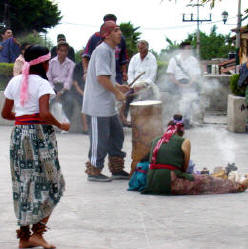
localities outside the city, like Ocotepec, where interesting religious
celebrations take place, like the Day of the Dead in the first days of November.
Cuernavaca is located about 85 km (53 mi) south of Mexico City on the M-95
freeway. It is known as "the city of eternal spring" because of its consistent
27°C (80°F) weather year round. Cuernavaca sits in the heart of central Mexico,
and is surrounded by some of the most beautiful and culturally rich regions of
the country.

The city's name comes from Nahuatl Cuauhnāhuac "place near trees" (pronounced [kʷawˈnaːwak]),
the name of the pre-Columbian altepetl at the location. The name was altered to
Cuernavaca by influence of the Spanish words cuerno "horn" and vaca "cow".
Locale
Cuernavaca lies about 700 metres (2,300 ft) lower than Mexico City, and
therefore serves as a popular refuge from the cold for inhabitants of Mexico
City. It attracts visitors from around the world for its art, history, and
Spanish language schools. Several interesting excursions to nearby attractions
are easily managed within a two-hour drive: North America's oldest and most
populous city Mexico City to hovering 6,000-metre (20,000 ft) volcanoes topped
by pre-columbian archaeological sites like those at Tepoztlán or Xochicalco— are
just a couple of the possibilities within a short distance from the heart of
this old, charming city.
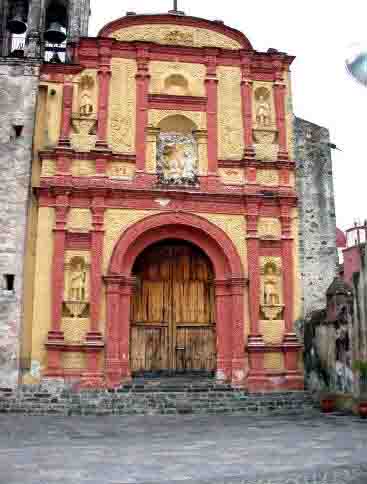
Cuernavaca is appreciated for its historical richness, striking scenery, vibrant
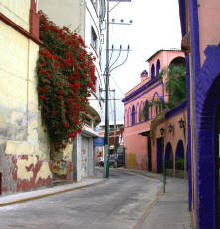
life, and delightful climate. Surrounded by undulating hills and cut by narrow,
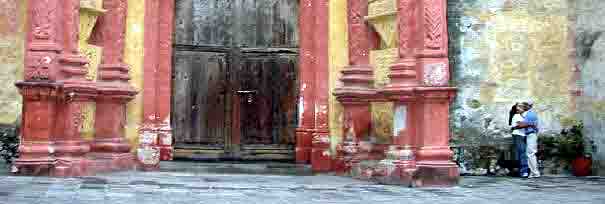
cobbled streets, Cuernavaca is a quaint colonial remnant. A wide variety of
activities are available with all of the normal services of a modern city. This
balance of ancient and new has protected the historical value of the city while
offering modern amenities.

 
| |
|